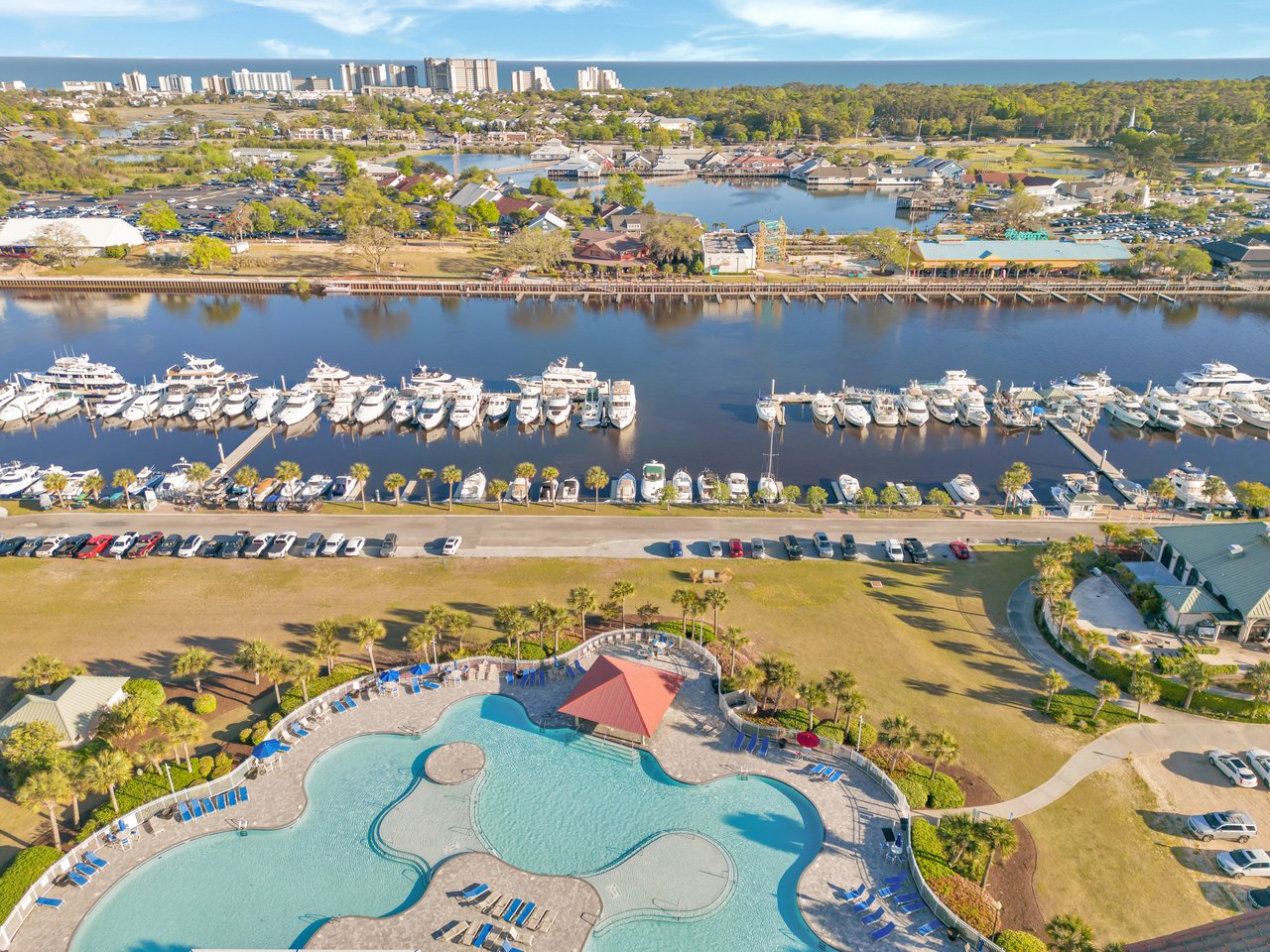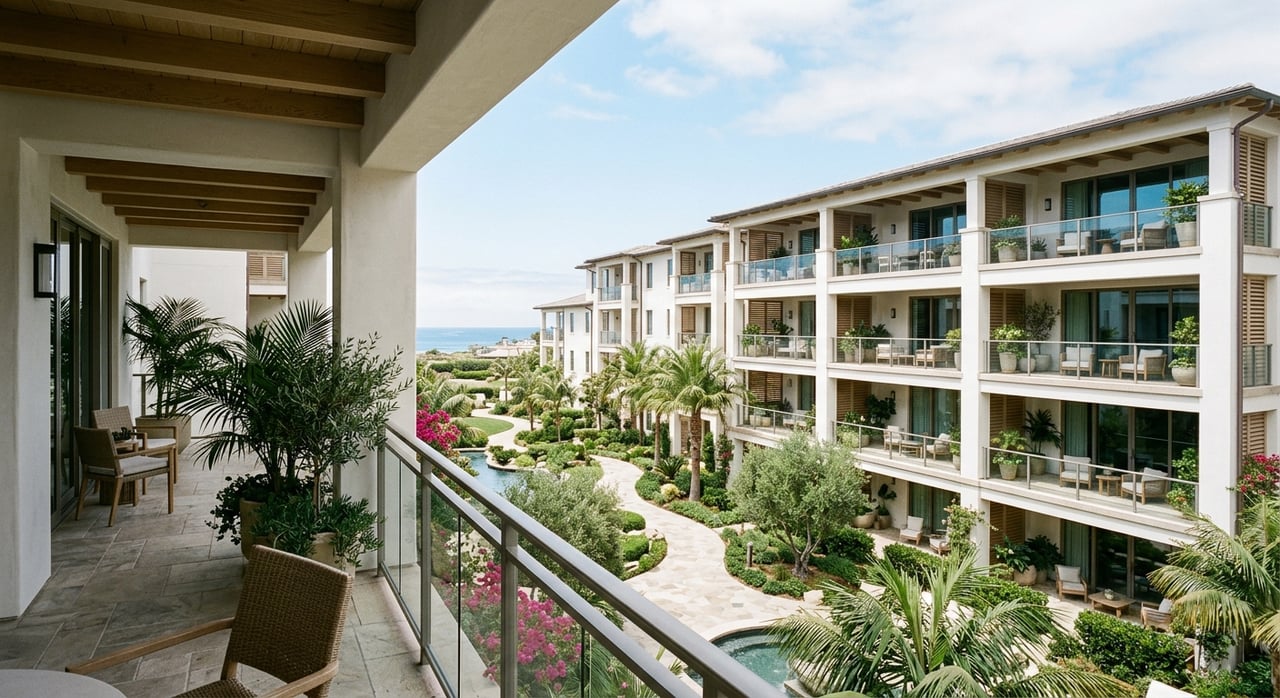
Trying to choose between North Myrtle Beach and Myrtle Beach for a second home? You are not alone. Many buyers love the Grand Strand lifestyle but get stuck on one big question: do you want a more neighborhood-centered beach experience or a more active resort setting? This guide breaks down the real differences so you can narrow your search with more confidence. Let’s dive in.
North Myrtle Beach vs Myrtle Beach at a Glance
If you are deciding where to buy a second home, the biggest difference comes down to daily feel.
North Myrtle Beach tends to feel more spread out and neighborhood-oriented. The city highlights its original main streets in Cherry Grove, Ocean Drive, Crescent Beach, and Windy Hill as community centers, and its planning documents put strong focus on neighborhoods and village-style areas.
Myrtle Beach has a more centralized resort identity. The city describes itself as both a residential community and a vacation destination, with a large base of entertainment, nightlife, golf, shopping, and dining. That often creates a busier environment, especially closer to the beach and major activity corridors.
What North Myrtle Beach Feels Like
North Myrtle Beach can appeal to you if you want a second home that feels connected to a coastal community, not just a vacation zone. Its planning approach emphasizes neighborhoods as the foundation of development, with a mix of residential areas, village centers, and mixed-use districts.
The beach experience also supports that more distributed feel. The city reports a continuous 9-mile shoreline, about 50 lifeguard towers, more than 240 beach accesses, and over 50 public parking locations for beach access. For many second-home buyers, that means the coastline can feel more accessible across different parts of the city.
The practical day-to-day experience matters too. North Myrtle Beach has city rules for beach use, and it also provides seasonal short-term-rental trash collection from May 1 through October 16. That is a useful sign that the city is actively trying to balance vacation use with neighborhood quality of life.
What Myrtle Beach Feels Like
Myrtle Beach often suits buyers who want energy, convenience, and a more classic resort setting. The city’s planning documents describe millions of visitors and a strong concentration of entertainment, dining, shopping, and nightlife.
That busier identity shows up in how the city is managed. Myrtle Beach Beach Patrol covers about 10 miles of coastline, and the city uses separate waterfront and traffic units in heavily congested areas and during high-traffic months. If you picture a second home close to activity, attractions, and a more urban beach environment, Myrtle Beach may align more closely with that goal.
Parking and public access also reflect that density. A city publication noted 144 city-owned beach access points, nearly 50 parks, and 47 miles of multiuse pathways and trails. At the same time, the city has a parking management area east of Kings Highway with 2,400 meter spaces in high-demand areas, which gives you a sense of how active and concentrated some sections can be.
Property Types and Development Patterns
North Myrtle Beach Property Mix
North Myrtle Beach’s future land-use framework includes categories such as residential suburban, residential neighborhood, residential urban, neighborhood mixed-use, mixed use, marina mixed use, and highway commercial. In plain terms, that suggests a broad mix of housing types depending on the specific area.
You may find detached homes, townhomes, condos, and planned-development options, though the exact property mix will vary by neighborhood and association. This can be helpful if you want flexibility in how you use your second home, whether that means lock-and-leave convenience or more private residential living.
Myrtle Beach Property Mix
Myrtle Beach has a more resort-centered land-use pattern. The city’s planning documents note a history of beachfront houses, motels, and vacation cottages, and current zoning includes visitor-accommodation areas.
In late 2024, the city adopted a short-term-rental conversion overlay zone in commercial districts east of Kings Highway to preserve short-term rental use in that area. For you as a buyer, that points to a market with a more intentional visitor-lodging core, especially near the ocean and entertainment corridors.
Short-Term Rental Rules Matter
If your second home may also be used as an occasional rental, local rules deserve close attention.
In North Myrtle Beach, short-term rentals are allowed citywide as a use, but they are not unregulated. Properties used as short-term rentals need a business license, must remit accommodations tax, renew annually, and follow rules related to trash, parking, noise, and occupancy.
That framework can be attractive if you want personal use with some rental flexibility. Still, it is important to understand that the city is clearly working to keep rentals compatible with surrounding neighborhoods.
Myrtle Beach also has a strong short-term rental presence, but it appears to be more concentrated and more tightly shaped by zoning and visitor-accommodation policy. The city identifies visitor-accommodation zones on its short-term rental map, and the 2024 overlay east of Kings Highway was designed to preserve short-term rental use in that commercial area.
If rental positioning is high on your list, Myrtle Beach may offer stronger alignment in the most tourism-driven areas. The tradeoff may be more congestion, more activity, and a more policy-managed environment.
Beach Access and Everyday Convenience
For many second-home buyers, the decision comes down to how easy the property feels to enjoy when you are actually there.
North Myrtle Beach stands out for its large number of beach accesses and public parking areas. That can make beach days feel simpler and more spread out, especially if you prefer a setting that feels less centralized.
Myrtle Beach offers strong public access too, but the experience can feel more urban and regulated in the busiest sections. The city has detailed rules covering beach obstructions, alcohol, glass, fireworks, sleeping on the beach, and activity near piers, along with focused patrol and traffic management in busy coastal zones.
Neither setup is inherently better. It really comes down to whether you want a beach town with a stronger neighborhood feel or a destination with more activity clustered around you.
Do Not Overlook HOA and Condo Rules
City rules are only part of the picture. In either market, HOA or condo association rules can shape your second-home experience just as much as local ordinances.
That is especially true if you are considering a condo, townhome, or planned community. Monthly dues, rental restrictions, parking limits, pet rules, and the association’s overall budgeting and reserve posture can all affect your costs and flexibility.
Before you buy, review these items carefully:
- Monthly HOA or condo dues
- Short-term rental rules within the association
- Guest parking policies
- Pet restrictions
- Maintenance responsibilities
- Reserve funding and overall property condition
A property may look perfect on paper, but the association’s rules can change how well it fits your goals.
Which Second-Home Buyer Fits Each City?
North Myrtle Beach May Fit You If
North Myrtle Beach may be the better choice if you want:
- A more neighborhood-based coastal setting
- Wide beach access across the city
- A second home that feels more residential day to day
- Personal-use flexibility with short-term rental potential
- A location that balances vacation demand with community character
Myrtle Beach May Fit You If
Myrtle Beach may be the better match if you want:
- A more central resort environment
- Closer proximity to entertainment-driven areas
- A livelier setting for your second home
- Stronger visitor-lodging concentration in key areas
- A property in a more active, higher-traffic beach corridor
How to Make the Right Choice
The best second home is not just about the address. It is about how you plan to use the property, how often you will visit, whether rental flexibility matters, and what kind of environment feels right when you arrive.
If you want a calmer coastal rhythm with strong beach access and a neighborhood-forward feel, North Myrtle Beach may be the stronger fit. If you want energy, convenience, and a more traditional resort experience, Myrtle Beach may give you more of what you are looking for.
The smartest next step is to compare specific neighborhoods, property types, and association rules side by side. That is often where the clearest answer shows up.
If you are weighing North Myrtle Beach versus Myrtle Beach for a second home, working with a local expert can make the process much clearer. Kristen Lundy offers hands-on guidance throughout North Myrtle Beach and the Grand Strand, helping you compare lifestyle, property options, and practical details so you can buy with confidence.
FAQs
What is the main difference between North Myrtle Beach and Myrtle Beach for a second home?
- North Myrtle Beach generally offers a more neighborhood-oriented coastal setting, while Myrtle Beach has a more centralized resort feel with more entertainment, traffic, and visitor activity.
Is North Myrtle Beach or Myrtle Beach better for short-term rental flexibility?
- North Myrtle Beach has a citywide short-term rental framework with licensing, tax, renewal, and operational rules, while Myrtle Beach has a more concentrated and policy-managed short-term rental structure in visitor-focused areas.
Does North Myrtle Beach have more beach access than Myrtle Beach?
- North Myrtle Beach reports more than 240 beach accesses and over 50 public parking locations for beach access, while a Myrtle Beach city publication said the city maintained 144 city-owned beach access points.
Should you compare HOA rules when buying in North Myrtle Beach or Myrtle Beach?
- Yes. HOA and condo association rules on rentals, parking, pets, dues, and maintenance can have a major impact on whether a second home truly fits your needs in either city.
Is Myrtle Beach busier than North Myrtle Beach for second-home owners?
- Myrtle Beach generally appears busier and more centralized, based on its resort-focused planning, traffic management, waterfront patrol presence, and high-demand parking areas near the coast.